The Modern Standard Arabic (MSA) Course at Tabarak Academy covers core grammar, sentence structure, reading comprehension of news and formal texts, and vocabulary for academic, cultural, and professional contexts — taught by Al-Azhar certified tutors with 25 years of Arabic instruction behind them.
MSA Arabic classes are conducted in English, making Fusha fully accessible to learners based in the USA, UK, Canada, Australia, and beyond — regardless of prior exposure to Arabic script or spoken dialects.
Tabarak Academy structures the Modern Standard Arabic (MSA) Course across clearly defined levels — from alphabet mastery through advanced literary and media Arabic — so every learner advances at a pace matched to their background and goals.
01
Students Master Arabic Script and Sound Production
Beginners in the Modern Standard Arabic (MSA) Course start with the full Arabic alphabet — letter names, sounds, Sun and Moon Letter distinctions, short and long vowels, Tanween, and Shaddah. Learners progress from isolated letters to correctly joined written words and simple sentences within the first level.
02
Building Core Grammar and Sentence Structure in Fusha
Learners in the learn MSA Arabic program develop precision in formal Arabic grammar — interrogative articles, demonstrative pronouns, prepositions, and the logic of Fusha sentence construction. Structured exercises move students from recognising patterns to producing grammatically accurate written and spoken Arabic independently.
03
Developing Formal Conversation and Presentation Skills
Tabarak Academy's MSA Arabic classes train students to handle formal exchanges — self-introductions, professional scenarios, asking for directions, discussing travel and banking — grounded in authentic Modern Standard Arabic situational dialogue. Students at intermediate level move beyond daily conversation into social, cultural, and professional topics.
04
Reading Comprehension of News Articles and Formal Texts
At intermediate and advanced levels of the Modern Standard Arabic (MSA) Course, students read authentic Arabic newspaper articles covering politics, economics, health, culture, and international affairs. Tutors guide learners through vocabulary building, use of the Arabic lexicon, and analysis of editorial structure in Fusha Arabic press.
05
Vocabulary Building for Academic and Cultural Contexts
Students in the learn MSA Arabic program build vocabulary systematically across domains — business, media, Islamic studies, geography, and Arabic heritage. Advanced levels introduce Arabic morphology (derivation and root patterns), Arabic calligraphy styles such as Naskh and Kufic, and classical Arabic proverb literature.
06
Engaging Classical Literature Through Authenticated MSA Instruction
Advanced learners in the Modern Standard Arabic (MSA) Course engage with primary Arabic literary texts — classical essays by Ibn Battuta, Ibn Khaldun, and Ibn Tufail, alongside Tafseer excerpts including Ibn Katheer. Tutors situate each text within its scholarly and Islamic context, giving students both linguistic mastery and deeper cultural grounding.
Every level of the Modern Standard Arabic (MSA) Course at Tabarak Academy builds toward measurable language outcomes — verified by tutor assessment and monthly progress evaluations rather than self-reporting alone.
✓
Learners Read Arabic News With Independent Comprehension
Students completing intermediate and advanced MSA Arabic classes read authentic Arabic newspaper articles across politics, economics, health, and culture — understanding main ideas without assistance from translation tools.
Tabarak Academy's tutors assess reading comprehension through article analysis exercises and guided discussion, confirming that each student can process Fusha Arabic press independently before advancing.
✓
Students Produce Accurate Formal Written Arabic
From constructing short sentences at beginner level to composing formal letters and paragraphs at advanced stages, students in the learn MSA Arabic program gain precision in Fusha grammar, correct use of morphological patterns, and confident written expression.
Tabarak Academy's Al-Azhar certified tutors review written output at each stage and provide structured correction, ensuring errors in formal Arabic structure are identified and resolved before they become habitual.
✓
Adults Engage Formal Arabic Conversations With Confidence
Students in the Modern Standard Arabic (MSA) Course progress from simple self-introductions to discussing social issues, professional topics, and current affairs in Fusha — matching the register used by educated native Arabic speakers in formal contexts.
Monthly evaluations at Tabarak Academy track spoken production alongside reading and writing, giving students a clear picture of where their formal Arabic stands at every level of the program.
✓
Students Access Classical Islamic and Literary Arabic Texts
Advanced students in the modern standard Arabic course gain the tools to engage classical texts directly — from Tafseer excerpts by Ibn Katheer to philosophical essays by Ibn Tufail — building a foundation that supports Quranic Arabic comprehension and Islamic scholarship.
Tabarak Academy's certified tutors situate classical literary Arabic within its scholarly tradition, giving students context for both the language and the Islamic knowledge embedded in these primary sources.
✓
Professionals Develop Vocabulary for Media and Academic Use
Diplomats, journalists, and students of international relations in the learn MSA Arabic program build active vocabulary across media, policy, economics, and cultural domains — enabling genuine participation in formal Arabic discourse rather than passive recognition alone.
Tabarak Academy tracks vocabulary acquisition across levels, using newspaper-based exercises and media listening practice to confirm that professional-grade Arabic comprehension is genuinely achieved before a student moves forward.
🎁
See it for yourself, free
One free class. Meet the tutor, watch your child in a real session, then decide.
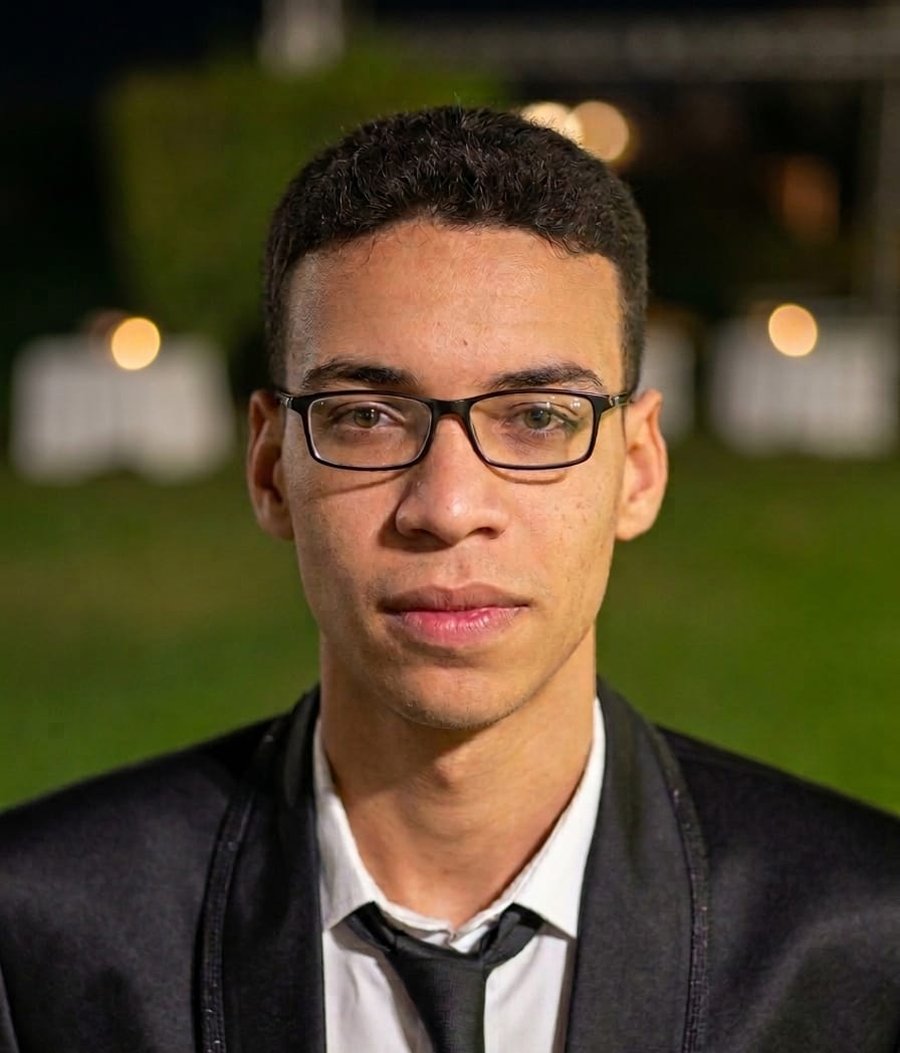
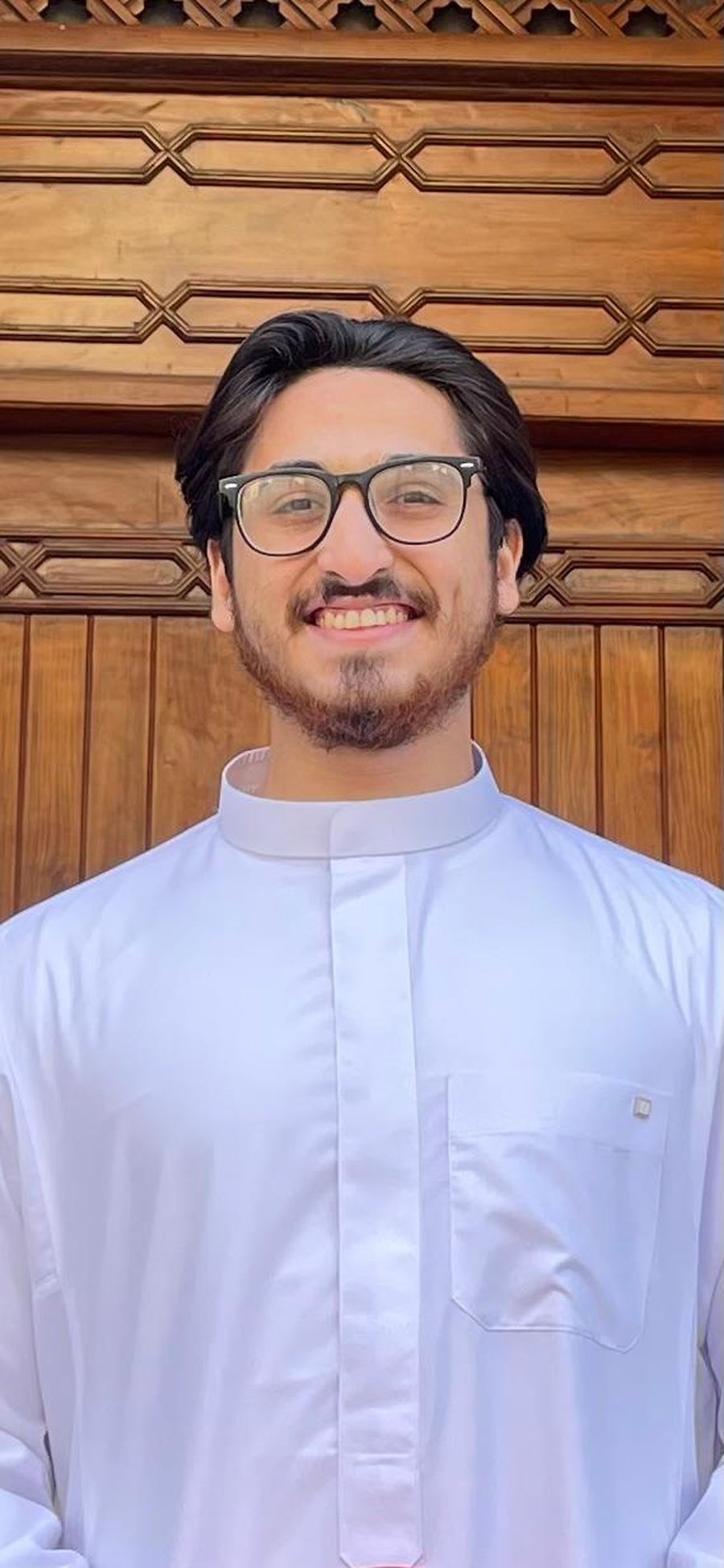
Real progress from real Modern Standard Arabic (MSA) Course students at Tabarak Academy.