

Parenting Styles In Islam – How Each One Affects Your Child?
Children are one of Allah’s greatest blessings, and one of our greatest tests. Allah says: “Wealth and children are the adornment of the life of this world” (Al-Kahf 18:46). He also reminds us: “Your wealth and your children are but a trial” (At-Taghabun 64:15).
Raising children is an amanah, a trust we will be asked about. The way we speak to them, discipline them, and show them love shapes their confidence, their character, and even how they feel about their faith.
In this list, we break down 6 parenting styles for kids, the effects of each one, and what the Quran and Sunnah teach about raising children. We finish with 10 practical Islamic parenting tips you can start using today.
Where Do Parenting Styles Come From?
The idea of “parenting styles” comes from decades of developmental psychology research, not from popular parenting blogs.
In the mid-1960s, psychologist Diana Baumrind at the University of California, Berkeley, observed preschool children and their parents at home and in the lab. She identified three distinct patterns of parenting: authoritarian, permissive, and authoritative (Baumrind, 1966; Baumrind, 1967).
In 1983, Stanford researchers Eleanor Maccoby and John Martin reorganized Baumrind’s work around two dimensions (Maccoby & Martin, 1983):
- Responsiveness (warmth): how much a parent notices and responds to the child’s emotional needs.
- Demandingness (structure): how much a parent sets rules, expectations, and supervision.
Combining these two dimensions produced a fourth style that Baumrind’s original model did not include: neglectful (uninvolved) parenting, where both warmth and structure are low.
Four of the six styles in this guide come from this research: authoritarian, permissive, neglectful, and authoritative. Helicopter parenting is a newer, widely used term for overinvolvement, and it is not one of the original research categories.
Toxic parenting is not a style at all in the scientific sense. It describes harmful behavior, such as abuse, humiliation, and manipulation, that can appear in any household. We include both because many parents search for them and recognize them in daily life.
| # | Parenting style | Warmth | Structure | Origin |
| 1 | Authoritarian | Low | High | Baumrind (1966) |
| 2 | Permissive | High | Low | Baumrind (1966) |
| 3 | Neglectful | Low | Low | Maccoby & Martin (1983) |
| 4 | Helicopter | High (anxious) | Excessive control | Modern popular term |
| 5 | Toxic | Harmful | Controlling or absent | Describes harm, not a style |
| 6 | Authoritative | High | High | Baumrind (1966) |
What Does Later Research Show?
Large reviews that combine hundreds of studies have broadly supported Baumrind’s findings:
- A meta-analysis of more than 1,400 studies found that authoritative parenting was linked to fewer behavior problems in children and adolescents. Harsh control and neglectful parenting were linked to more problems such as aggression and rule-breaking (Pinquart, 2017).
- A second meta-analysis compared families across different world regions. It found that authoritative parenting was associated with at least one positive outcome in every region studied, and authoritarian parenting with at least one negative outcome. The strength of some effects varied from culture to culture (Pinquart & Kauser, 2018).
This last point matters for Muslim families. Some of the research comes from Western samples, and culture can shape how children understand their parents’ strictness.
Even so, the overall pattern holds across cultures: children tend to do best with a combination of warmth and clear boundaries, which closely matches the prophetic model described later in this article.
Keep in mind that most parents move between styles depending on stress, mood, and the situation. What counts is the pattern your child experiences most often.
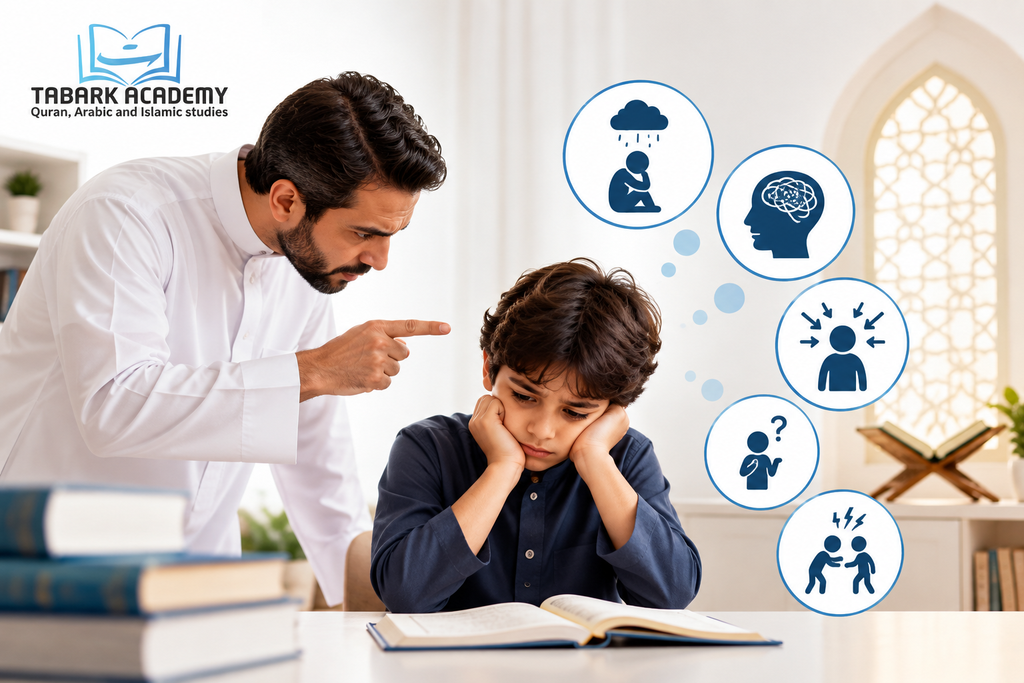
1. Authoritarian Parenting: “Because I Said So”
Authoritarian parenting focuses on strict obedience and control. Rules are firm, questions may be seen as disrespect, and mistakes are often punished rather than used as learning opportunities.
Signs you may be leaning this way
Certain everyday parenting habits may indicate that your approach is becoming more controlling or authoritarian:
- You refuse your child’s requests even when they are reasonable and permissible.
- You push tasks that are beyond your child’s age or ability.
- You rely mainly on shouting, hitting, or taking things away.
- You choose their clothes, food, friends, and hobbies without asking their opinion.
Effects on children
When children grow up under constant pressure and fear of punishment, it can affect their confidence, emotional well-being, and ability to make decisions:
- Low self-esteem and a constant fear of failure
- Anxiety, shyness, or heightened sensitivity
- Difficulty expressing opinions or making decisions
- Lying to avoid punishment
- Aggression or strong rebellion, especially in the teen years
Research reviews link harsh, controlling parenting with more behavior problems in children and teens (Pinquart, 2017).
The Islamic View
Some parents may mistake harshness for religious discipline, but the Sunnah emphasizes gentleness and mercy.
The Prophet ﷺ said:
«إِنَّ اللَّهَ رَفِيقٌ يُحِبُّ الرِّفْقَ»
“Allah is gentle and loves gentleness.”
(Muslim 2593)
This reminds parents that discipline does not have to depend on harshness.
Anas رضي الله عنه said that after serving the Prophet ﷺ for ten years:
«فَمَا قَالَ لِي أُفٍّ»
“He never said ‘Uff’ to me.”
(Bukhari 6038)
This shows how correction can be given without constant blame or humiliation.
A warning about Quran memorization: Forcing children to memorize through threats or hitting can make them associate the Quran with fear, and some grow up avoiding it entirely. Hifz needs effort and consistency, but also encouragement, understanding, and joy. See our guide on how to make Quran memorization fun for kids for gentler methods.
2. Permissive Parenting: “Whatever Makes You Happy”
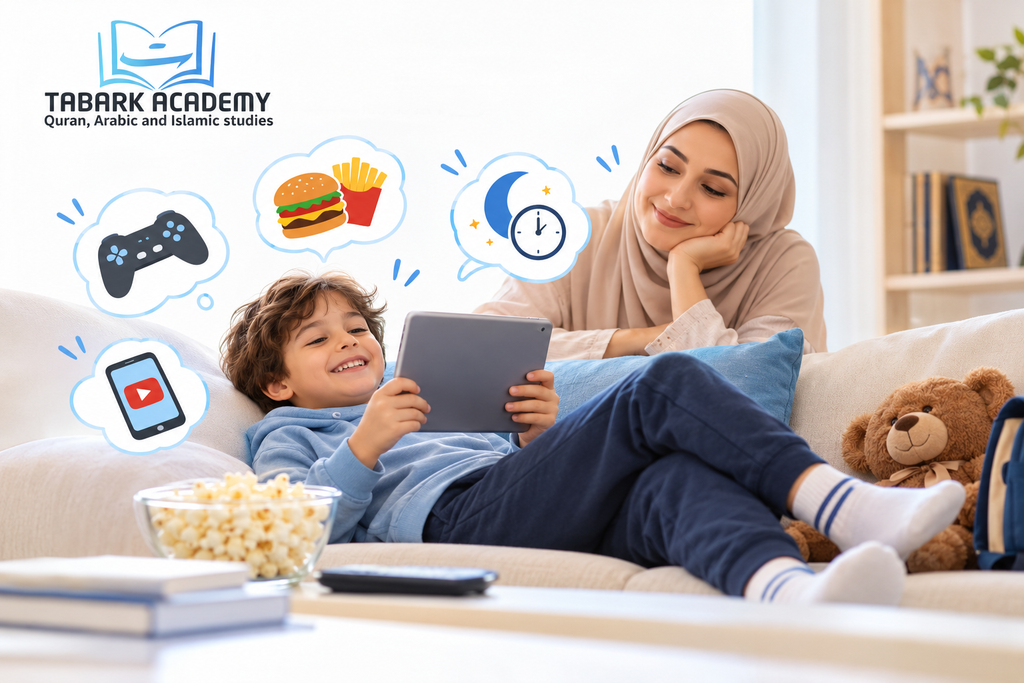
Permissive parents are warm and loving but often struggle to set or enforce limits. They may focus more on being their child’s friend than their guide, giving in to avoid tears, arguments, or conflict.
Signs You May Be Leaning This Way
Certain everyday habits may suggest that your child is getting more freedom than they are ready to handle:
- You set rules, such as screen-time limits, but rarely enforce them.
- You give in to tantrums just to stop the crying.
- You feel guilty saying “no.”
- Your child usually decides bedtimes, meals, and daily routines.
Effects on Children
When children grow up with few consistent boundaries, they may experience:
- Weak self-control and difficulty waiting.
- Trouble following rules at school.
- A sense of entitlement.
- Unhealthy habits around food, sleep, and screens.
- More risk-taking during the teenage years.
- Anxiety when faced with situations where limits are unclear.
The Islamic View
Islam encourages parents to show love while also taking responsibility for guiding and protecting their families. Allah says:
﴿يَا أَيُّهَا الَّذِينَ آمَنُوا قُوا أَنفُسَكُمْ وَأَهْلِيكُمْ نَارًا﴾
“O you who believe, protect yourselves and your families from a Fire.”
(At-Tahrim 66:6)
This verse reminds parents that love also means taking responsibility for their children’s guidance and well-being.
Allah also says:
﴿وَأْمُرْ أَهْلَكَ بِالصَّلَاةِ وَاصْطَبِرْ عَلَيْهَا﴾
“Enjoin prayer upon your family and be steadfast therein.”
(Taha 20:132)
The message is not to control every aspect of a child’s life, but to provide loving boundaries, consistent guidance, and patient correction.
3. Neglectful (Uninvolved) Parenting: “Figure It Out Yourself”
Neglectful parenting is not always intentional. A parent may provide food, clothing, and shelter while becoming emotionally distant or less involved in the child’s daily life. Exhaustion, financial pressure, long working hours, personal struggles, or constant screen use can gradually create this pattern.

The child receives basic care but little attention, guidance, or emotional connection. Good behavior may go unnoticed, while problems are often left for the child to handle alone.
Signs You May Be Leaning This Way
You may need to reassess your involvement if you rarely know what your child is doing at school, who their friends are, or what they are learning about their faith. You may also find that most of your free time goes toward screens or rest, even when your child needs attention or support.
Effects on Children
A lack of consistent parental involvement may leave children feeling unseen or unimportant. They may also struggle with trust, emotional regulation, school performance, and finding healthy sources of attention and belonging.
Maccoby and Martin (1983) identified this low-warmth, low-structure pattern as a distinct style, and later research associates it with some of the weakest outcomes for children (Pinquart, 2017).
The Islamic View
Islam places responsibility for children on their parents. The Prophet ﷺ said:
«كُلُّكُمْ رَاعٍ وَكُلُّكُمْ مَسْئُولٌ عَنْ رَعِيَّتِهِ»
“Each of you is a shepherd, and each of you is responsible for his flock.”
(Bukhari 893; Muslim 1829)
This reminds parents that providing food and financial support is only part of the responsibility. Children also need presence, attention, emotional care, and guidance in their deen.
For parents who want to build a positive Quran learning routine alongside good parenting, a structured Qaida course for kids can help children develop their Quran reading foundation step by step.
4. Helicopter Parenting: “I’ll Handle It for You”
Helicopter parenting often comes from love and a desire to protect children from failure or disappointment. However, too much involvement can leave little room for children to develop independence.
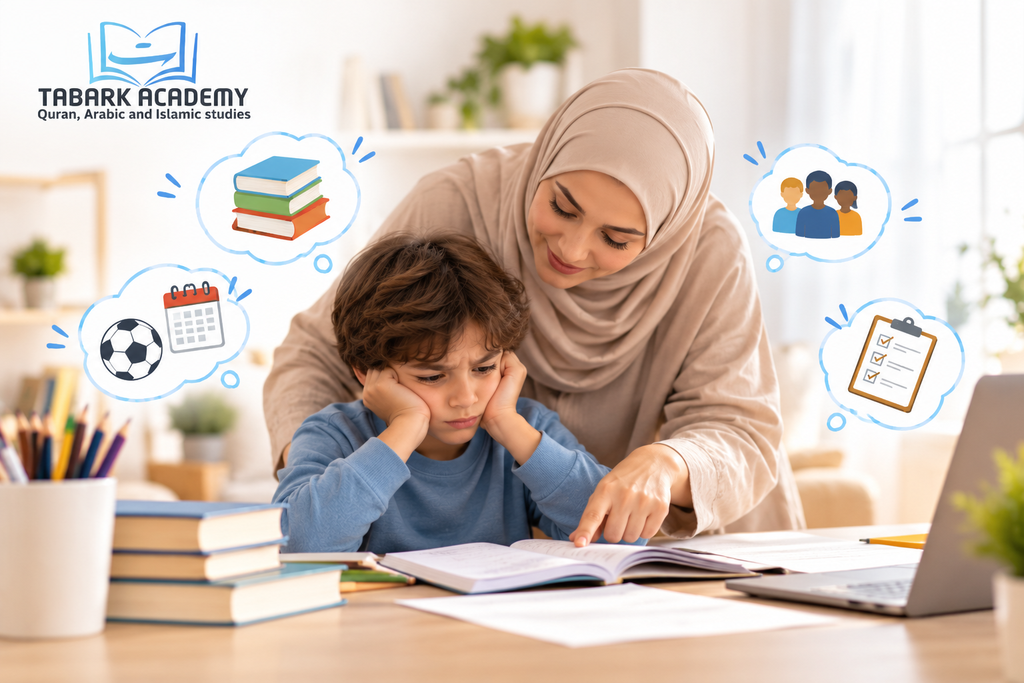
Helicopter parents closely manage their child’s life. They may choose activities, solve problems, manage friendships, or even complete tasks for their child.
Signs You May Be Leaning This Way
Sometimes, overprotective parenting can become part of everyday routines without parents realizing it. These signs may help you notice when support is becoming excessive control.
- You complete homework or projects for your child.
- You step in whenever they face a small difficulty.
- You make decisions they could make themselves.
- You feel very anxious when they struggle.
Effects on Children
When children rarely get the chance to handle difficulties themselves, they may struggle to build confidence and independence. Over time, this can affect how they respond to challenges.
- Low confidence
- Difficulty handling failure
- Weak problem-solving skills
- Dependence on parents
The Islamic View
Some parents may mistake harshness for religious discipline, but the Sunnah emphasizes gentleness and mercy.
The Prophet ﷺ said:
«إِنَّ اللَّهَ رَفِيقٌ يُحِبُّ الرِّفْقَ»
“Allah is gentle and loves gentleness.”
(Muslim 2593)
This reminds parents that discipline does not have to depend on harshness.
Anas رضي الله عنه said that after serving the Prophet ﷺ for ten years:
«فَمَا قَالَ لِي أُفٍّ»
“He never said ‘Uff’ to me.”
(Bukhari 6038)
This shows how correction can be given without constant blame or humiliation.
A warning about Quran memorization: Forcing children to memorize through threats or hitting can make them associate the Quran with fear, and some may grow up avoiding it entirely. Hifz needs effort and consistency, but also encouragement, understanding, and joy.
Experience Our Interactive Learning
Curious about how we teach? Watch these brief video clips from our recent live sessions to see our structured curriculum, advanced learning platform, and dynamic student-teacher interactions firsthand.
5. Toxic Parenting: The Most Harmful Style
Toxic parenting goes beyond strictness or emotional distance. It involves harmful patterns such as abuse, manipulation, humiliation, or excessive control that can seriously affect a child’s wellbeing.
At its core, toxic parenting may include authoritarian or neglectful behavior, but the defining factor is the harm it causes to the child.
Signs of Toxic Parenting
These behaviors can gradually damage a child’s sense of safety, confidence, and connection with their parents.
- Verbal, emotional, or physical abuse, including insults, threats, and humiliation
- Using guilt or shame to control the child
- Making situations revolve around the parent’s needs
- Ignoring an older child’s reasonable boundaries
- Unfairly favoring one child over another
Effects on Children
The effects of toxic parenting can extend beyond childhood and influence how children view themselves and their relationships with others.
- Deep emotional wounds
- Anxiety, depression, and feelings of worthlessness
- Difficulty forming healthy relationships
- A damaged parent-child bond
The Islamic View
Islam places strong emphasis on mercy, justice, and good treatment of children. The Prophet ﷺ said:
لَيْسَ مِنَّا مَنْ لَمْ يَرْحَمْ صَغِيرَنَا وَيُوَقِّرْ كَبِيرَنَا
“He is not one of us who does not have mercy on our young and respect our elders.”
This hadith places mercy at the heart of how children should be treated. Parenting requires authority and boundaries, but these should not become humiliation, cruelty, or abuse.
6. Authoritative Parenting: The Balanced Approach
Authoritative parenting combines warmth with clear rules and consistent boundaries. Parents listen to their children while still maintaining appropriate expectations.
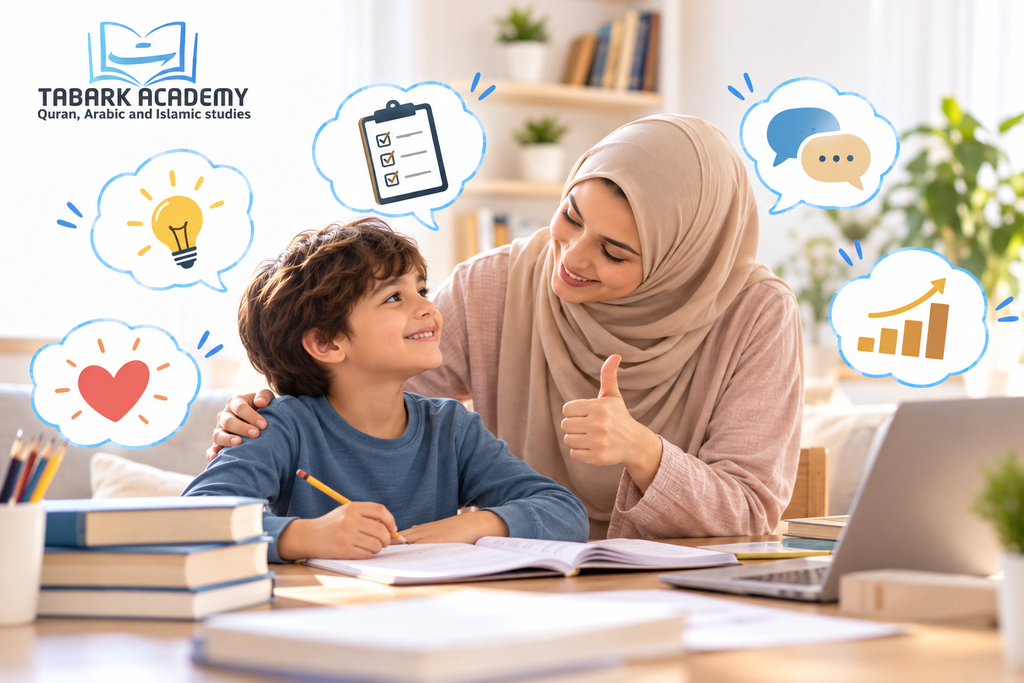
For example, instead of shouting when a child refuses homework, a parent might acknowledge their feelings and offer a short break before returning to the task.
Signs You’re Practicing This Style
These habits show that you are balancing compassion with appropriate parental authority.
- You explain the reasons behind your rules.
- You listen to your child’s feelings, even when the answer is “no.”
- You use consequences to teach, not hurt.
- You apologize when you make a mistake.
Effects on Children
This balanced approach can help children develop confidence while learning responsibility and emotional control.
- Healthy self-esteem
- Better emotional regulation
- Stronger relationships
- Greater responsibility
- Better decision-making
The Islamic View
The Prophetic model combines affection, communication, and firm guidance. These qualities can be seen in several examples from the Qur’an and Sunnah.
The Prophet ﷺ showed clear affection toward children. When al-Aqra‘ ibn Habis mentioned that he had never kissed his children, the Prophet ﷺ said:
مَنْ لَا يَرْحَمُ لَا يُرْحَمُ
“Whoever does not show mercy will not be shown mercy.”
This highlights the importance of mercy and affection in relationships with children.
Luqman combined clear guidance with loving language when advising his son:
﴿يَا بُنَيَّ أَقِمِ الصَّلَاةَ وَأْمُرْ بِالْمَعْرُوفِ وَانْهَ عَنِ الْمُنكَرِ وَاصْبِرْ عَلَىٰ مَا أَصَابَكَ﴾
“O my dear son! Establish prayer, encourage what is good, forbid what is wrong, and be patient over what befalls you.”
The example shows that parents can be firm about values and expectations without abandoning love, patience, and respect.
Building a confident Muslim child also means giving them a strong foundation in Islamic values and character. Our Islamic Studies classes for kids can help make learning about Islam engaging and age-appropriate.
10 Islamic Parenting Tips for Raising Confident Muslim Kids
Raising confident Muslim children involves more than teaching rules and correcting mistakes. It means building faith, responsibility, emotional security, and a strong relationship with Allah through everyday parenting.
1. Make Du’a for Your Children Daily
Du’a is one of the simplest ways parents can express their hopes for their children and ask Allah to guide and bless them.
﴿وَالَّذِينَ يَقُولُونَ رَبَّنَا هَبْ لَنَا مِنْ أَزْوَاجِنَا وَذُرِّيَّاتِنَا قُرَّةَ أَعْيُنٍ وَاجْعَلْنَا لِلْمُتَّقِينَ إِمَامًا﴾
“Our Lord! Grant us from among our wives and offspring comfort to our eyes and make us an example for the righteous.”
2. Be the Example
Children often learn more from what parents do than from what they say. Let them see prayer, Qur’an reading, kindness, patience, and good character in everyday life.
3. Explain the “Why”
Children are more likely to understand and internalize rules when they know their purpose. Whenever possible, replace “because I said so” with an explanation they can understand.
4. Offer Choices Within Limits
Giving children appropriate choices helps them develop independence without removing parental guidance. For example, ask whether they prefer to read their Qur’an portion before or after dinner.
5. Praise Effort More Than Results
Children need to know that their effort and progress matter. Notice good behavior and sincere effort instead of focusing only on mistakes or final results.
6. Keep a Few Clear, Consistent Rules
Children benefit from boundaries they can understand and predict. A small number of consistent rules is often clearer than rules that constantly change according to a parent’s mood.
7. Be Fair Between Your Children
Fairness helps protect relationships between siblings and teaches children an important Islamic value. Try to be fair in attention, gifts, expectations, and praise.
8. Give Age-Appropriate Responsibility
Small responsibilities give children opportunities to practice independence. Simple chores, decisions, and tasks appropriate to their age can gradually build confidence.
If you are looking for a supportive way to help your child build a positive relationship with the Quran, explore our online Quran classes for kids, designed to provide guidance while encouraging children to learn at their own pace.
9. Make Qur’an Time Gentle and Joyful
Qur’an learning can become a positive part of family life rather than something children associate only with pressure. Short routines, meaningful stories, and celebrating progress can make the experience more enjoyable.
10. Repair After Mistakes
Parents will sometimes lose their patience or make mistakes. A sincere apology teaches children humility and shows them that making a mistake does not end the love and connection within the family.
Step Inside Our Virtual Classrooms
See our engaging teaching methods in action! watch real snippets of our live classes and discover how our expert instructors make learning interactive, memorable, and inspiring for every student.
Help Your Child Build a Strong Relationship With the Quran
Your child’s Islamic education is about more than memorizing verses or learning religious rules. It is about helping them develop a genuine love for the Quran, understand their faith, and grow with confidence in a supportive learning environment.
At Tabarak Academy, children receive personalized guidance that considers their age, current level, learning pace, and individual needs, making Quran learning a positive and meaningful part of their daily lives.
Whether your child is taking their first steps in Quran reading, developing their memorization, or learning more about Islamic values, Tabarak Academy provides a supportive environment where children can learn with encouragement and consistency.
Our Islamic Studies Courses
- Online Islamic Studies Classes
- Islamic Studies for Beginners Course
- Islamic Studies Classes for Kids
- Islamic Studies for Adults Course
- Islamic Studies for Ladies Course
- Islamic Studies for New Muslims Course
- Tafseer Al Quran Course
- Quranic Sciences (Uloom Al Quran) Course
- 5 Pillars of Islam for Kids Course
- Islamic Summer Camp
Give your child the opportunity to experience Tabarak Academy with a free trial lesson today.

Conclusion
There is no perfect parent, and most parents move between different parenting styles depending on the situation, stress, and stage of their child’s development. What matters is becoming more aware of how your everyday responses affect your child and making intentional choices that combine love, guidance, boundaries, and mercy.
Islam gives parents a clear foundation for this journey: protect your children, teach them their deen, treat them with mercy, and help them gradually become responsible and confident. Small changes in the way you speak, correct, listen, and encourage your child can have a lasting impact on both their character and their relationship with Islam.
Frequently Asked Questions
What is the best parenting style in Islam?
The prophetic model combines mercy, affection, dialogue, and clear boundaries.It is closest to authoritative parenting, which large research reviews across many cultures link to the best outcomes for children (Pinquart & Kauser, 2018).
Is hitting a child allowed in Islam?
The Prophet ﷺ never struck a woman or a servant:
مَا ضَرَبَ رَسُولُ اللَّهِ صلى الله عليه وسلم شَيْئًا قَطُّ بِيَدِهِ وَلاَ امْرَأَةً وَلاَ خَادِمًا“The Messenger of Allah ﷺ never struck anything with his hand, neither a woman nor a servant.”
(Sahih Muslim 2328a)
A hadith also instructs parents to teach children prayer from age seven and mentions discipline at age ten:
مُرُوا أَوْلاَدَكُمْ بِالصَّلاَةِ وَهُمْ أَبْنَاءُ سَبْعِ سِنِينَ وَاضْرِبُوهُمْ عَلَيْهَا وَهُمْ أَبْنَاءُ عَشْرِ سِنِينَ(Sunan Abi Dawud 495)
This is specifically about prayer, not a general permission to hit children. Hitting out of anger, causing harm, humiliating a child, or striking the face is not permitted.
Which parenting style causes low self-esteem?
Authoritarian, neglectful, and toxic parenting are most often linked to low self-esteem, because children feel constantly criticized, unseen, or unsafe.
Can I change my parenting style?
Yes. Start by noticing how you react under stress. Choose one situation that repeats often, like bedtime or homework, and plan a calmer response. Be patient with yourself and make du’a.
Is permissive parenting bad if I love my children?
Love is essential, but children also need boundaries to feel safe and learn self-control. Loving limits are part of loving your child.